Social Media for Wineries: Harvest Content, Age Rules and Tasting Room Bookings
Introduction: What Social Media for Wineries Should Actually Do
Good social media for wineries does two jobs at once: it shows the work behind each bottle, and it fills the tasting room. A vineyard has a natural calendar that most brands would envy, from bud break to harvest. Yet many wineries post only bottle shots and event flyers.
The bigger risk is legal rather than creative. Wine is alcohol, so every post, especially a paid one, sits under extra rules in both countries. This guide covers the vineyard content calendar, the US and UK advertising rules, adult-only targeting, the videos that drive bookings, and the mistakes that get posts removed.
How Can a Winery Plan a Year of Content?
The vine itself is your content plan. Each season brings something visible to film, so you rarely need to invent a topic. Map the growing year onto your calendar once, and every month already has two or three ready-made stories.
Social Media for Wineries Follows the Vine
Winter brings pruning, spring brings bud break and frost watch, and summer brings flowering and veraison, when the grapes change color. Therefore, you can plan most of the year's posts before the first leaf appears.
Harvest Is Your Peak
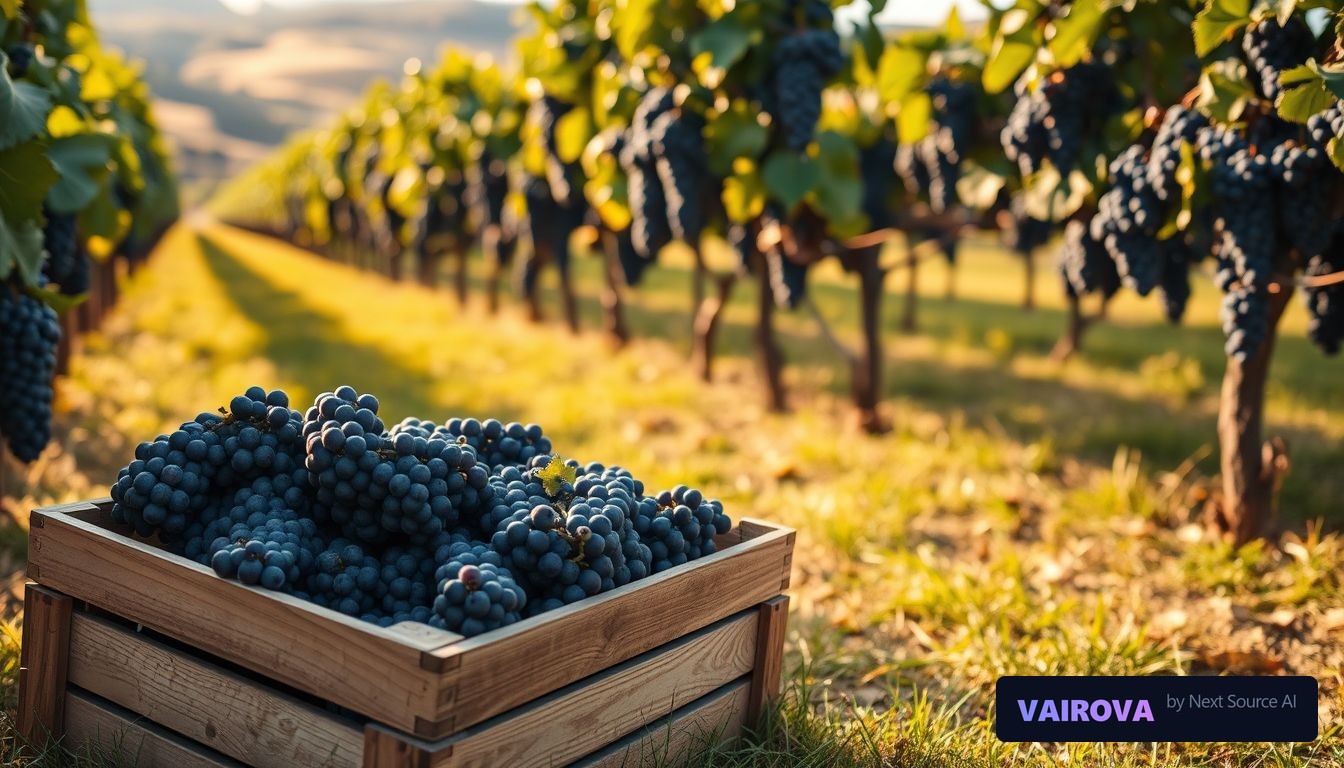
In the Northern Hemisphere, picking usually runs from late August to October, depending on the site and season. Consequently, film daily during harvest and bank clips for the quiet months.
Fill the Quiet Months
The cellar keeps working in winter. For example, barrel tastings, blending trials and bottling days all make strong short clips. Our guide to behind-the-scenes content covers how to film them.
What Alcohol Advertising Rules Apply in the UK?
UK alcohol ads, including paid social posts and many posts on your own accounts, fall under section 18 of the CAP Code, enforced by the ASA. The rules aim to stop marketing that appeals to under-18s or links drinking with risky behavior. A winery's own website and social profiles count as marketing space.
The Core Rules
Under section 18 of the CAP Code, anyone shown drinking must be, and look, 25 or over. Moreover, posts must not link alcohol with social success, sexual attraction or daring activity.
Strength and Health Claims
Do not promote a wine because of its high strength, and avoid claims that it boosts mood or health. Similarly, the ASA's alcohol advice explains where brands commonly slip.
Driving and Activities
Never show drinking near cars, machinery or water sports. Therefore, keep the tractor and the tasting glass in separate shots.
What Alcohol Advertising Rules Apply in the US?
In the US, federal wine advertising rules are set by the Alcohol and Tobacco Tax and Trade Bureau, and states add their own. The industry also follows voluntary codes on audience age. Furthermore, the minimum legal drinking age is 21, so your adult threshold is higher than in the UK.
Federal Rules Through the TTB
The TTB's alcohol advertising pages explain what wine ads must and must not say. For example, statements must not be false or misleading about the product.
Industry Codes
The Wine Institute publishes a code of advertising standards that many wineries follow. Additionally, it covers model ages and placing ads where most of the audience is of legal drinking age.
State Rules and Shipping
Direct-to-consumer shipping rules vary widely between states. As a result, never promise delivery nationwide in a post without checking where you are licensed to ship.
How Do You Keep Winery Content in Front of Adults Only?
Use every age setting the platform offers, and post content that would not draw a teenage audience. Instagram and Facebook let business accounts restrict profiles and posts by age. Paid alcohol ads on Meta must target people of legal drinking age in each country.
Set Age Restrictions
In your account settings, restrict the profile to 21+ for US audiences and 18+ for UK audiences where the platform allows it. Check Instagram's help center for the current steps.
Check TikTok Before Paying
TikTok restricts alcohol advertising and the rules vary by country. Therefore, read TikTok's industry ad policies before you spend anything.
Avoid Youth-Appealing Formats
Cartoon characters, popular kids' songs and trends led by teenage creators can all draw underage viewers. Consequently, stick to formats your adult customers actually use.
Which Videos Turn Viewers Into Tasting Room Bookings?
Videos that show what a visit feels like convert better than bottle shots. A walk from the parking lot to the terrace, a pour with the winemaker talking, or a vineyard picnic set-up all answer the viewer's real question: is this worth my Saturday?
The Visit in 20 Seconds
Film a single take from arrival to the first pour, then end with the booking link. Our guide to short-form video scripts explains the hook and payoff.
Meet the Winemaker
Short talking clips build trust. For example, a 30-second explanation of why this year's rosé is paler gives followers something to repeat at the bar.
Events With a Date
Harvest festivals, release days and winter tastings sell better with a date on screen. Our guide to social media for event venues covers ticket reminders.
What Mistakes Do Wineries Make on Social Media?
Most problems come from treating wine like any other product. Promotions, reposted customer content and influencer collaborations all carry alcohol rules on top of the usual ones. A quick check before posting catches nearly all of them.
Sharing Customer Posts Without Checking
A tagged photo of a young-looking guest drinking should not be reshared. Moreover, our user-generated content rights guide covers permission.
Undisclosed Influencer Posts
Paid or gifted posts need clear disclosure under the FTC's endorsement guidance and the ASA's rules. Furthermore, the influencer must also be 25 or over for UK alcohol content.
Drinking-Led Captions
Lines like "you deserve this after the week you've had" link drinking to coping. Instead, talk about the grape, the place and the food pairing.
A Practical Example
The Situation
Consider an illustrative family winery in Oregon with a small UK export trade and 6,000 Instagram followers. Its feed was mostly bottle photos, and tasting room bookings came almost entirely from walk-ins.
The Change
It set the profile's age limit, filmed daily through harvest and posted a weekly "visit in 20 seconds" Reel with a booking link. It also stopped resharing guest photos without checking who was pictured.
The Result
In this illustrative case, online bookings rose through the fall, and no posts were flagged by Instagram. Results like this are illustrative and depend on your location, season and audience. Nevertheless, a vine-led calendar and clear age controls give most wineries a steady base.
How Vairova Can Help
Vairova researches trends, generates captioned short-form videos from your footage and auto-posts them to TikTok and Instagram on a consistent schedule. Therefore, harvest clips you film in October can keep posting through the quiet months. Start your free Vairova trial, or compare plans on our pricing page.
Conclusion
Effective social media for wineries follows the vine, respects alcohol rules in both countries and shows people what a visit feels like. Plan by season, set age limits before you post and keep drinking out of the spotlight. If you want harvest content working all year, try Vairova free.
Frequently Asked Questions
Q: What should a winery post on social media?
A: Strong social media for wineries follows the growing season, from pruning to harvest to bottling. Furthermore, tasting room videos with a booking link turn viewers into visitors.
Q: Can wineries advertise on TikTok?
A: TikTok restricts alcohol ads, and the rules vary by country. Therefore, check its current ad policies before paying to promote a post.
Q: How old must people in UK wine ads be?
A: Anyone shown drinking or playing a significant role must be, and look, 25 or over. Moreover, ads must not appeal particularly to under-18s.
Q: Who regulates wine advertising in the US?
A: The TTB sets federal wine advertising rules, and states add their own. Additionally, many wineries follow the Wine Institute's voluntary code.
Q: Should a winery age-restrict its Instagram account?
A: Yes, where the platform allows it, set 21+ for the US and 18+ for the UK. As a result, underage users are less likely to see your posts.
Q: When is the best time for wineries to film content?
A: Harvest gives you the most footage, so film daily from late summer. Similarly, winter cellar work fills quieter months.
Disclaimer
This article on social media for wineries offers general guidance current as of November 2026 and is not legal advice. The winery example is illustrative. Alcohol advertising, shipping and platform rules change, so confirm current requirements with the ASA, the TTB, your state alcohol regulator and each platform's help pages. No approach guarantees bookings or engagement.