YouTube Partner Program 2027 Requirements: What Doubles and When
Introduction: The First Threshold Change Since 2018
The youtube partner program 2027 requirements double the entry bar for new applicants, and the date that matters most is not the one most coverage leads with. Crucially, existing members who accept the updated terms before the deadline keep the lower maintenance requirements — which turns this from a distant policy story into something to act on now.
Therefore, this guide sets out exactly what changes, who is affected, the deadline that protects existing channels, what happens to Shorts revenue sharing, and the practical implications for anyone currently below the threshold. Additionally, we cover why an approaching deadline changes your posting maths considerably.
What the YouTube Partner Program 2027 Requirements Actually Change
Three separate changes arrived together and are frequently conflated.
The New Entry Bar in the YouTube Partner Program 2027 Requirements
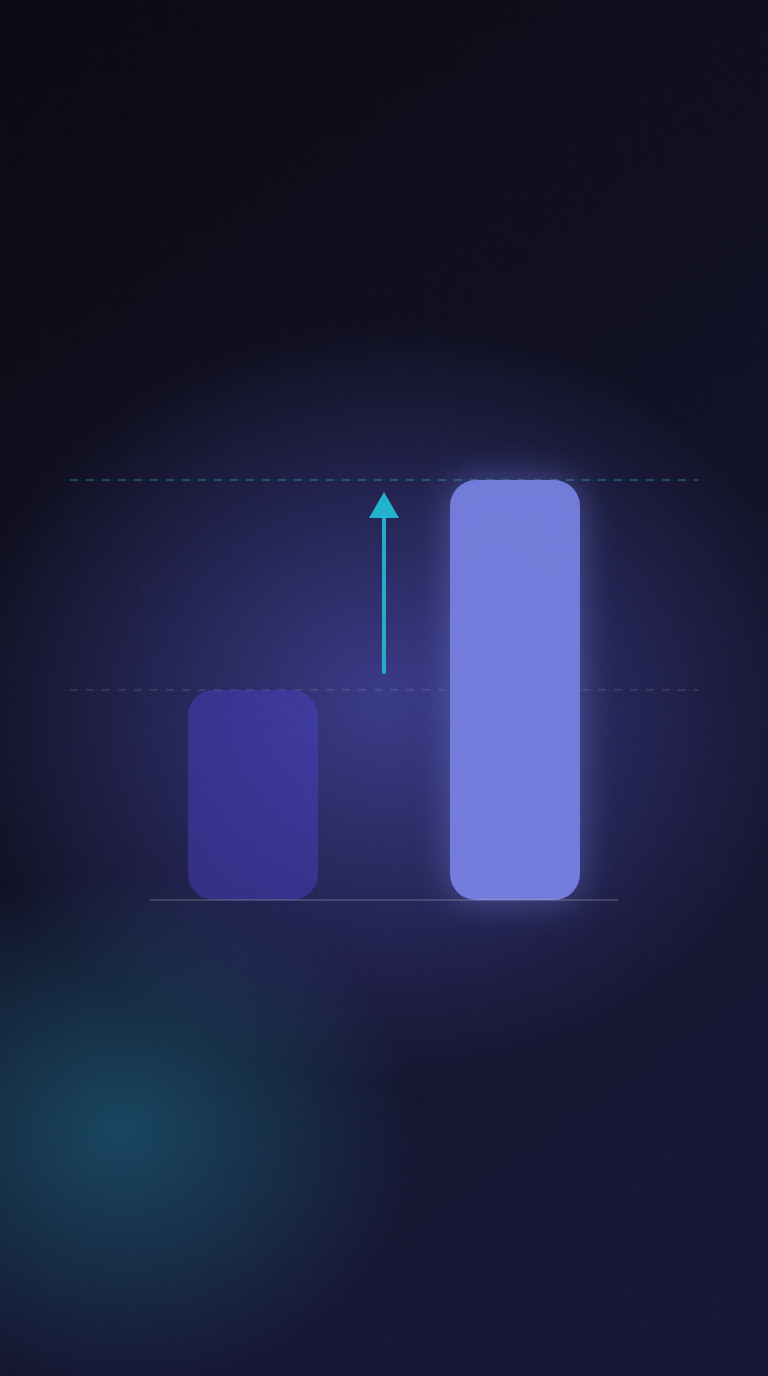
From 1 February 2027, new applicants need 1,000 subscribers plus either 8,000 valid public watch hours in the previous twelve months, or 20 million valid public Shorts views in ninety days. Furthermore, both figures are exactly double the long-standing 4,000-hour and 10-million-view thresholds.
Existing Members Are Treated Differently
Channels already in the programme that accept the updated terms by 31 January 2027 retain the lower maintenance requirements. Consequently, the doubled bar applies to new entrants rather than to established channels.
Shorts Revenue Sharing Has Its Own Gate
Shorts revenue sharing now carries a separate requirement of 10 million qualified views in ninety days, and channels falling below it remain in the programme and continue earning from long-form content. Therefore, missing the Shorts gate is not the same as losing monetisation.
A Wider Revenue Change Accompanies It
Premium Lite is expanding across the countries where YouTube Premium is sold, with subscription revenue split between long-form and Shorts. Nevertheless, YouTube's own announcement is the authoritative reference for all of this: YouTube's official Partner Program announcement
Who Should Act, and When
The response differs sharply depending on where your channel currently sits.
Already Monetised: Accept the Terms Before the Deadline
If you are in the programme, the single most valuable action is accepting the updated terms before 31 January 2027. Consequently, this is a few minutes of admin that preserves your existing maintenance thresholds.
Close to the Old Threshold: Push Now
A channel near 4,000 watch hours faces a materially different task after February 2027 than before it. Therefore, the case for concentrated effort over the coming months is unusually strong.
Starting From Zero: Plan for the New Numbers
New channels should plan against 8,000 hours or 20 million Shorts views rather than the figures most older guides still quote. Additionally, verify the current position directly in YouTube's eligibility documentation before relying on any summary: YouTube's monetization requirements
An Illustrative Example
Consider an illustrative channel sitting at roughly 3,100 watch hours with steady but unhurried publishing. Reaching 4,000 hours before the deadline requires modest additional output, whereas missing it means facing 8,000 hours from a standing start. The creator moved from one upload weekly to three, cutting each into Shorts for discovery, and crossed the threshold with time to spare. Ultimately, the deadline converted a vague ambition into a scheduling decision.
What This Means for Shorts-First Channels
The Shorts route changed more dramatically than the long-form one.
Twenty Million Views Is a Different Category
Ten million Shorts views in ninety days was demanding; twenty million is a substantially different proposition requiring genuine scale. Consequently, Shorts-only monetisation becomes considerably harder for new channels.
The Hybrid Route Is Now More Attractive
Publishing long-form while cutting Shorts for discovery lets you accumulate watch hours through the long-form path while Shorts drive subscribers. Therefore, the hybrid approach now carries a clear structural advantage over Shorts-only publishing.
Watch Hours Accumulate More Predictably
Eight thousand hours across twelve months is roughly 667 hours monthly, which consistent mid-length content reaches more reliably than viral Shorts volume. Nevertheless, both routes demand real audience retention rather than raw uploads.
Why the Deadline Changes Your Posting Maths
Time-bounded targets justify different behaviour from open-ended ones.
Volume Matters More Under a Deadline
Reaching a threshold by a fixed date is a throughput problem, and throughput responds to publishing frequency. Furthermore, this is precisely the situation where production capacity becomes the binding constraint.
Retention Still Governs Everything
Watch hours accumulate from time actually watched, so weak retention makes additional uploads nearly worthless. Consequently, hook quality remains the multiplier on every hour of effort.
Do Not Sacrifice Compliance for Speed
Mass-produced uploads with no editorial contribution breach YouTube's reused and inauthentic content policies, and rejected channels do not get their months back. Above all, realistic AI-generated content must be disclosed using YouTube's tools: YouTube's guidance on disclosing altered or synthetic content
Practical Steps for the Next Six Months
A short checklist covers most situations.
Confirm Your Current Position
Check your exact watch hours and Shorts views in YouTube Studio rather than estimating. Therefore, you know which threshold is genuinely within reach.
Choose One Route and Commit
Decide whether you are pursuing watch hours or Shorts views, since the content strategies differ substantially. Additionally, splitting effort across both routes usually reaches neither.
Increase Cadence Deliberately
Raise output to a level you can sustain for six months rather than a fortnight. Consequently, the calculation should be based on your realistic weekly capacity.
Protect Average Retention
Track average view duration across the channel, because it influences how aggressively YouTube distributes new uploads. Nevertheless, the YouTube Creators hub remains a useful reference for the surrounding features: the YouTube Creators hub
How Vairova Can Help
Vairova addresses the throughput half of this problem directly. It researches trending angles in your niche daily, drafts scripts and multiple hook variations so retention holds as volume rises, generates AI presenters and vertical video with burned-in captions, applies platform AI labels, and auto-posts to TikTok and Instagram — supplying the steady Shorts flow that drives discovery towards your long-form catalogue. Consequently, raising cadence before a deadline becomes a scheduling decision rather than a hiring one. See also how to build a faceless YouTube channel with AI and YouTube Shorts monetization in the UK. Start your free Vairova trial, or compare plans on our pricing page.
Conclusion
The youtube partner program 2027 requirements double the entry bar to 8,000 watch hours or 20 million Shorts views for new applicants from 1 February 2027, while existing members who accept the updated terms by 31 January 2027 keep the lower maintenance thresholds. Furthermore, Shorts revenue sharing carries its own separate 10-million-view gate, and falling below it does not remove you from the programme. Above all, if your channel sits anywhere near the current thresholds, the coming months are worth substantially more than the months after them. If production capacity is what limits your cadence, start a free Vairova trial.
Frequently Asked Questions
Q: What are the YouTube Partner Program 2027 requirements?
A: The youtube partner program 2027 requirements are 1,000 subscribers plus either 8,000 valid public watch hours in twelve months or 20 million valid public Shorts views in ninety days, applying to new applicants from 1 February 2027. Additionally, both thresholds are double the previous 4,000-hour and 10-million-view figures.
Q: Do the new requirements affect channels already monetised?
A: No, existing members who accept the updated terms by 31 January 2027 retain the lower maintenance requirements. Consequently, accepting those terms before the deadline is the single most important action for monetised channels.
Q: When do the new YouTube thresholds take effect?
A: The doubled entry requirements apply to new applicants from 1 February 2027, with the acceptance deadline for existing members falling on 31 January 2027. Therefore, the practical deadline arrives a day before the headline date.
Q: What happens if I miss the Shorts revenue threshold?
A: Shorts revenue sharing requires 10 million qualified views in ninety days, and channels below that remain in the programme and continue earning from long-form content. Nevertheless, you forgo the Shorts revenue share until you meet it again.
Q: Is it still worth starting a YouTube channel in 2026?
A: Yes, and starting before February 2027 offers a meaningfully lower entry bar if you can reach the current thresholds first. However, plan against the new figures if your timeline extends beyond the deadline.
Q: Are Shorts or long-form better for reaching monetisation now?
A: The hybrid route — long-form for watch hours with Shorts cut from it for discovery — now carries a structural advantage, since 20 million Shorts views demands genuine scale. Furthermore, 8,000 watch hours accumulates more predictably than viral Shorts volume.
Disclaimer
This article offers general guidance current as of August 2026. The channel example described is illustrative, and results vary widely by niche, audience and execution. YouTube Partner Program thresholds, deadlines, terms acceptance, Shorts revenue sharing conditions and disclosure requirements are set by YouTube and change from time to time — the figures cited here reflect YouTube's August 2026 announcement, and you should confirm current requirements in YouTube's official documentation before making decisions. This article is not legal or financial advice, and no content approach can guarantee monetisation, views or income.