Social Media for Handmade Businesses: Process Videos, Pricing and Product Rules
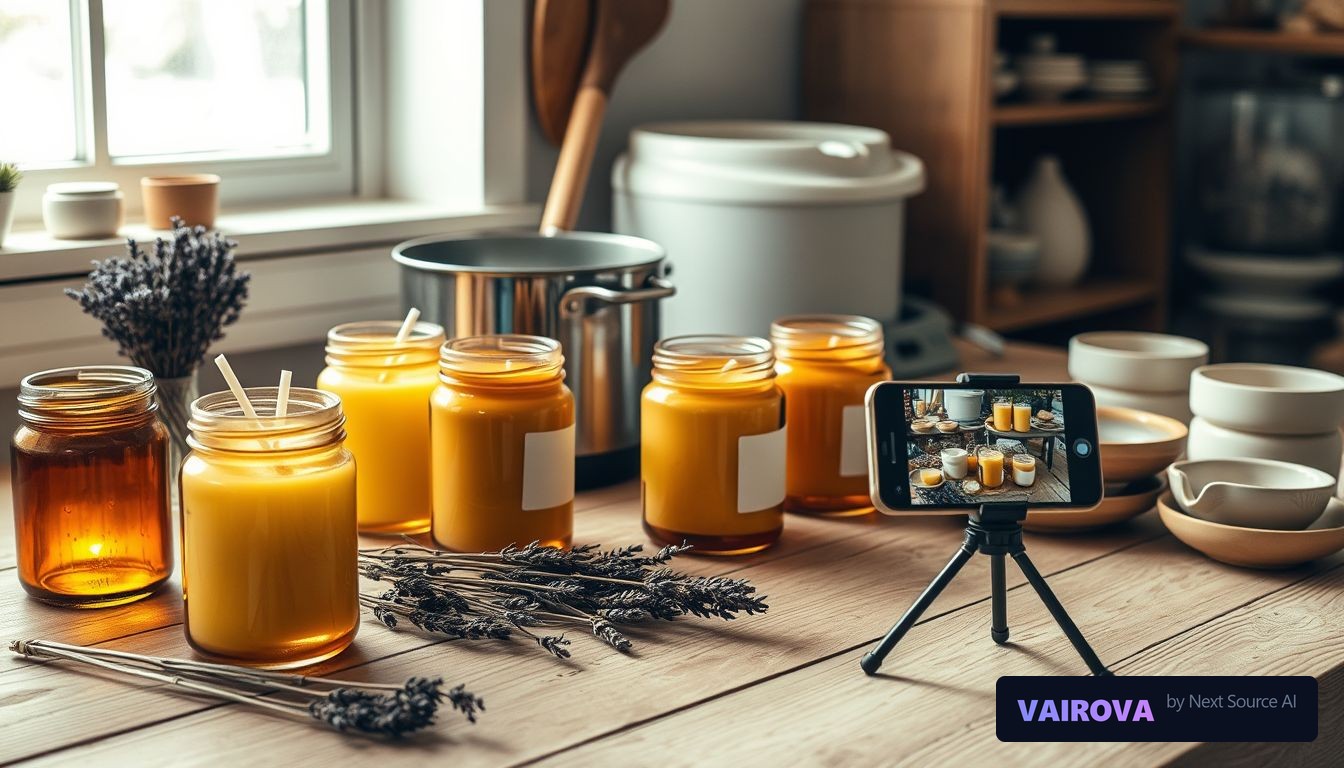
Introduction: Social Media for Handmade Businesses Without Giving Away the Recipe
Social media for handmade businesses sells best when you show the making, explain the price and stay inside the rules for your product. However, one cheerful clip can quietly break candle, soap or toy regulations.
Most maker advice stops at pretty photos and giveaways, rarely mentioning the labels and testing that get listings pulled. This guide covers process videos that protect your method, pricing labor openly, US and UK compliance traps, honest handmade claims and a weekly routine one person can keep.
How Can You Film Your Process Without Giving Away the Method?
Film the transformation, not the formula. Viewers want to watch raw material become a finished piece and hear the tools. Meanwhile, they do not need your temperatures, ratios or suppliers. Cut between stages, keep measurements off screen and end on the finished item.
Social Media for Handmade Businesses Rewards the Messy Middle
The satisfying part is usually the middle: glaze running or a stone being set. Therefore, open on that moment and explain afterward. Our guide to behind-the-scenes content has more ideas.
Show Stages, Not Settings
Film the pour, but not the thermometer. Similarly, show lye being stirred in gloves, then cut to the mold rather than the scale. Viewers get the story, while competitors get nothing to copy.
Keep Safety Gear in Shot
If your craft involves lye, kilns, solder or hot wax, wear protection on camera every time. Above all, anyone who copies you should copy the goggles too.
Should You Show Your Pricing and Labor on Camera?
Yes, if you do it calmly and with real numbers. Shoppers who see materials, hours and fees often understand why a handmade mug costs more than a supermarket one. Moreover, the exercise shows whether your price actually pays you. Use your own figures, not someone else's.
Break Down One Best-Seller
Walk through one product's cost on screen, item by item. Additionally, include an hourly rate, because leaving labor out is how makers end up working for free.
A Worked Candle Price
Take an illustrative 7 oz soy candle: materials cost $6.80, packaging $1.20 and overheads $1.00. A batch of 20 takes four hours, so at $20 an hour, labor adds $4.00 each. Therefore, the true cost is $13.00 before platform and payment fees, and a $28 price leaves room for fees, wholesale and profit.
Answer the Too-Expensive Comment Once
Someone will say they could make it cheaper. Instead of arguing, reply with a video of your breakdown and pin it.
Which Product Rules Catch Makers Out When They Post?
The traps sit in the product, and a video makes them public. Scented candles can need hazard labels, soap and skincare face cosmetics rules, and children's items can need testing before sale. Furthermore, a spoken claim on camera counts as marketing too.
Candles and Wax Melts
In Great Britain, fragrance oils can make a candle or wax melt subject to CLP hazard labeling, depending on the blend. The HSE's CLP guidance explains the duties, starting from your supplier's safety data sheet. In the US, general consumer product safety law applies, and industry fire-safety labels are widely used.
Soap and Skincare Claims
UK soap and skincare are cosmetics, needing a safety assessment, a responsible person and notification before sale, says the government's cosmetics guidance explains. The FDA separates plain soap from cosmetics and drugs on its cosmetic, drug or soap page, and its MoCRA page covers newer duties. Moreover, saying a bar clears eczema can make it a medicine claim in either country.
Children's Items and Toys
US products made mainly for children 12 and under generally need third-party testing and a certificate under the CPSIA, with some small batch relief, as the CPSC explains. In Great Britain, toys for under-14s must meet the Toys (Safety) Regulations 2011, and knitted toys count.
What Can You Honestly Call Handmade, and Whose Designs Can You Use?
Call something handmade only if you made it, and say clearly when a supplier or machine did part of the work. Advertising rules in both countries require truthful claims. Equally, your designs should be your own, because a viral copy soon reaches the original maker.
Handmade Must Be True
In the UK, the ASA applies the advertising code to marketing on your own social accounts. In the US, the Federal Trade Commission expects advertising to be truthful and backed by evidence. Therefore, if blanks are bought in or laser-cut elsewhere, say so.
Copying and Character Fabric
Copyright and design rights protect original work in both countries, as the UK government's copyright page outlines. However, buying character fabric does not settle whether you can sell what you sew from it. Above all, keep brand names out of titles and hashtags.
Marketplace and Shop Rules
Etsy, TikTok Shop and Meta's shopping tools each have seller policies that can be stricter than the law. For example, Etsy has its own handmade definition and rules on production partners. Our TikTok Shop content strategy covers selling through video.
What Does a Weekly Filming Routine Look Like for a One-Person Maker?
Film while you make, not as a separate job. Social media for handmade businesses only lasts if it fits around production. Therefore, fix a phone above your bench, batch the editing and post on a rhythm you can keep. In addition, keep market days free of filming pressure.
Monday: Film the Batch
Set the phone on an overhead arm, then record each stage in short bursts while you work. One batch day can supply a week of footage, as our guide to content batching explains.
Wednesday: Edit in One Sitting
Cut three clips in about an hour: process, price and the finished piece in use. Then remove any claim you cannot back up. Jewelry makers can borrow more formats from our guide to social media for jewellers.
Friday to Sunday: Sell, Then Review
Post the finished-piece clip ahead of weekend browsing, and film market customers only with permission. On Sunday, note which clip held viewers longest and plan the next batch around it.
A Practical Example
The Situation
Consider an illustrative soap maker in Leeds selling through Etsy and two markets. Her videos showed full recipes, and one caption called a bar great for eczema. Meanwhile, she had never priced her own time.
The Change
She cut recipe details and filmed stages instead. Additionally, she removed every skin-condition claim, confirmed her safety assessments were current and posted one honest price breakdown.
The Result
Over an illustrative 12 weeks, the price-breakdown clip became her most-shared video, and market takings rose by about a fifth. Results like this are illustrative and depend on your product, prices and consistency. Nevertheless, a protected method and clean claims give a maker a safer base.
How Vairova Can Help
Vairova turns raw process footage into captioned short-form videos and auto-posts them to TikTok and Instagram on a schedule. As a result, the Wednesday edit gets shorter. Start your free Vairova trial, or compare plans on our pricing page.
Conclusion
Social media for handmade businesses works when your videos show the skill without handing over the method. Therefore, price labor openly and keep every claim inside your product's rules. If you want bench footage turned into regular posts, start a free Vairova trial.
Frequently Asked Questions
Q: What should I post on social media for a handmade business?
A: Social media for handmade businesses works best with process clips, price breakdowns and finished pieces in use. Furthermore, rotating them keeps the feed varied.
Q: Will showing my process let people copy my products?
A: Not if you film stages rather than settings. Moreover, your eye and finish are harder to copy than a technique.
Q: Do homemade candles sold in the UK need a hazard label?
A: Often yes, because many fragrance oils trigger CLP hazard labeling. Therefore, check your supplier's safety data sheet.
Q: Can I say my soap helps eczema or acne?
A: Generally no, because treatment claims can make it a medicine or drug. Instead, describe it as a cleanser.
Q: Do handmade baby and children's items need testing?
A: Most US children's products need third-party testing under the CPSIA. Similarly, UK toys must meet the toy safety regulations.
Q: Is TikTok Shop or Etsy better for handmade sellers?
A: It depends on your product, and many makers use both. However, read each one's seller rules before listing.
Disclaimer
This article on social media for handmade businesses offers general guidance current as of November 2026 and is not legal advice. The examples are illustrative. Product, advertising and platform rules change, so confirm current requirements with the HSE, the Office for Product Safety and Standards, FDA, CPSC, ASA, FTC and each marketplace. No approach guarantees sales or growth.