Social Media for Dentists: How to Attract New Patients With Short Video
Introduction: Why Social Media for Dentists Works
Social media for dentists works because choosing a dentist is a decision built on trust. A short video of a friendly team and a calm office answers the questions that keep nervous patients from booking.
Most practices still depend on referrals, insurance directories and a website that rarely changes. However, many new patients now look at a practice's social profiles and reviews before they call. Short video lets them meet you first. Dental marketing also carries strict duties around privacy and honest claims. This guide covers local discovery, what to post, HIPAA and patient privacy, truthful advertising, Google Business Profile, and a weekly routine that fits a busy schedule.
Getting Found Locally
Social Media for Dentists Starts With Location
Your patients live or work near your office. Therefore, name your city and neighborhood in captions, on-screen text and your bio. Our guide to Instagram SEO explains how searchable profiles get discovered.
Choose One or Two Platforms
Instagram and TikTok suit short video, and Facebook still reaches many local families. However, one or two platforms done well beat four done badly. Start where your current patients already spend time.
Make Booking Easy
Put a phone number and a booking link in every bio. Additionally, our guide to link in bio strategy shows how to keep that page simple. A viewer should never have to hunt for the next step.
Show Real Faces
Stock photos of perfect smiles look like every other practice. In contrast, your own team on camera feels local and real. Consequently, viewers begin to recognize you before their first visit.
What to Post
Meet the Team
Introduce the dentist, hygienists and front desk staff in short clips. For example, ask each person why they chose dentistry. Team members must agree to appear, and their comfort comes first.
Office Tour
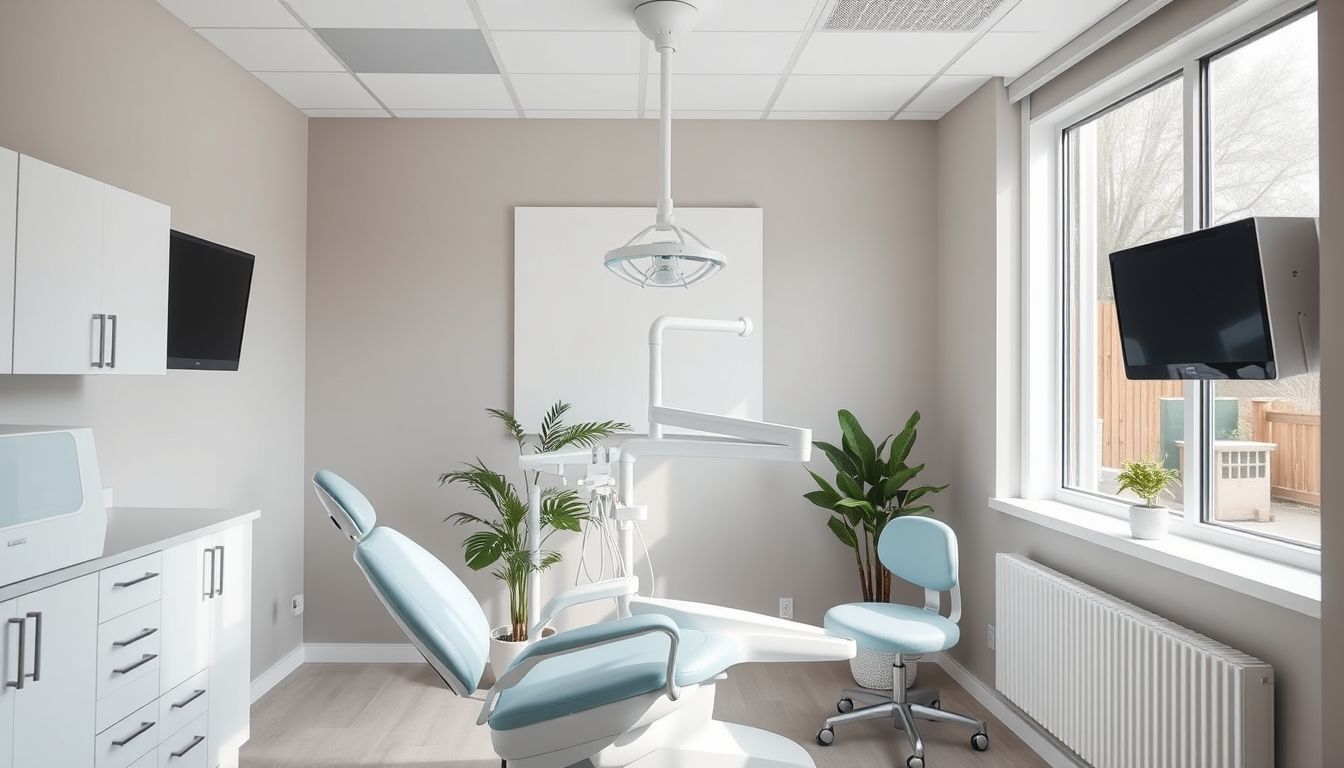
Walk through the entrance, waiting area and a treatment room when no patients are present. Therefore, anxious patients know what to expect. Check every shot for screens, charts and schedules before you post.
Patient Education
Explain how to floss, what a cleaning involves or when a child should first visit. Additionally, link to trusted sources such as the ADA's MouthHealthy site. Our guide to writing a short-form video script keeps each tip tight.
Myth-Busting
Correct common myths in a calm, friendly tone. For example, address the idea that baby teeth do not matter. However, keep every claim accurate and avoid mocking people who believe the myth.
HIPAA and Patient Privacy
Written Authorization Comes First
HIPAA protects patient health information, and a photo, video or testimonial can identify a patient. Therefore, obtain a valid written HIPAA authorization before you post any of them. The US Department of Health and Human Services enforces HIPAA and publishes guidance.
Never Confirm Someone Is a Patient
Replying to an online review can reveal protected information. Consequently, never confirm that a reviewer is a patient, and never mention treatment, dates or billing. A general reply that invites the person to call the office is safer.
Watch the Background
A passing patient, a name on a screen or an open chart can appear in any clip. Moreover, audio can capture names and conversations. Film in empty rooms and review every second before posting.
Train the Whole Team
One careless post from a personal phone can cause a breach. Therefore, write a simple social media policy and train everyone on it. The ADA offers HIPAA resources for dental practices, and state privacy laws may add further duties.
Truthful Advertising and Professional Conduct
Keep Claims Honest
The FTC expects advertising to be truthful and supported by evidence. Consequently, avoid words such as painless, permanent or guaranteed unless you can prove them. Before-and-after images need authorization and should show typical results.
Follow the ADA Code and Your State Board
The ADA Code of Ethics addresses advertising that is false or misleading. Additionally, state dental boards set their own advertising rules, including rules on specialty claims. Check your state's requirements before you promote a service.
Handle Testimonials and Incentives Carefully
Reviews must reflect real patient experiences. Furthermore, the FTC's endorsement guidance explains that incentives and other connections need clear disclosure. Never write or buy fake reviews.
Do Not Diagnose in Comments
Viewers will describe symptoms and ask what is wrong. However, a comment thread is not an examination. Therefore, reply with general information and invite the person to book a visit or seek urgent care.
Google Business Profile
Keep the Basics Current
Many patients search for a dentist near them before they open any social app. Consequently, an accurate Google Business Profile with hours, services and photos often wins the call.
Add Fresh Photos and Updates
Upload team and office photos regularly, using the same privacy checks as your videos. Moreover, short updates about hours or new services show that the practice is active.
Reply to Reviews Safely
Google explains how to manage customer reviews in its help pages. Therefore, thank reviewers in general terms and never confirm any treatment details. Our guide to community management covers tone.
A Weekly Routine
Film Once a Week
Set aside twenty minutes on a quiet morning to film three or four clips. Similarly, our guide to content batching explains how to produce a week of posts in one sitting.
Add Captions
Many people watch with the sound off. Therefore, add on-screen text to every clip; our guide on how to add subtitles to videos shows a quick method.
Review Before Posting
Give one trained person the final check for privacy and claims. Consequently, nothing goes live without a second look.
Ask New Patients How They Found You
Add a simple question to your intake form. Moreover, the answers show which platform earns its place.
A Practical Example
The Situation
Consider an illustrative family dental practice in Columbus, Ohio, that relied on referrals and had open hygiene appointments most weeks.
The Change
The practice began posting three short videos a week: a team introduction, an office tour clip and one patient education tip. Furthermore, staff filmed only in empty rooms, and the office manager checked each clip before posting.
The Result
New patient calls increased over the following months, and several callers said the videos made the office feel welcoming. Results like this are illustrative and depend on location, competition and execution. Nevertheless, consistent, privacy-safe video gives nervous patients a reason to choose you.
How Vairova Can Help
Vairova researches trends, generates short-form educational videos with hooks and captions, then auto-posts them to TikTok and Instagram every day. Consequently, your practice stays visible while your team focuses on patients. Start your free Vairova trial, or compare plans on our pricing page.
Conclusion
Social media for dentists works when it builds trust before the first appointment. Therefore, show your team, tour your office, teach simple habits and name your location in every post. Above all, get written authorization before sharing anything about a patient, keep claims truthful and never diagnose in comments. If you want consistent video without the extra workload, start a free Vairova trial.
Frequently Asked Questions
Q: Does social media for dentists actually bring in new patients?
A: Social media for dentists can help local people find and trust a practice before they call. Furthermore, results depend on consistency, location and how easy you make booking.
Q: What should a dental practice post?
A: Team introductions, office tours, patient education and myth-busting clips work well. Additionally, mention your city and neighborhood in each post.
Q: Can I post a patient's photo or testimonial?
A: Only with a valid written HIPAA authorization from that patient. Moreover, check your state's privacy and dental board rules, which may add requirements.
Q: How should I reply to a negative review?
A: Reply politely in general terms and invite the reviewer to contact the office. However, never confirm that the person is a patient or mention any treatment.
Q: Can I answer dental questions in the comments?
A: You can share general education, but you should not diagnose or recommend treatment in comments. Therefore, invite the person to book an examination.
Q: Which platform is best for dentists?
A: Instagram, TikTok and Facebook each reach local audiences, alongside a current Google Business Profile. Consequently, start with the one your existing patients use most.
Disclaimer
This article offers general marketing guidance current as of October 2026 and is not legal, compliance or medical advice. The Columbus dental practice example is illustrative. HIPAA, advertising rules, state dental board rules and platform features change over time, so confirm current requirements with HHS, the FTC, the ADA, your state dental board and each platform. No approach guarantees new patients.