Social Media for Bike Shops: Turn the Workshop Into Your Best Content
Introduction: Why Social Media for Bike Shops Should Start in the Workshop
Social media for bike shops usually gets reduced to ride shots, giveaways and new stock photos. Any shop can post those. However, nobody else sees the bikes that come through your workshop.
Riders trust the mechanic who can explain a noise in plain words. Therefore, the repair stand is where your expertise shows and where much of your margin is made. This guide covers setting up the bench as a studio, choosing which jobs to film, handling e-bike battery safety, explaining Cycle to Work and commuting, and filming community rides.
Set Up the Workshop as a Studio
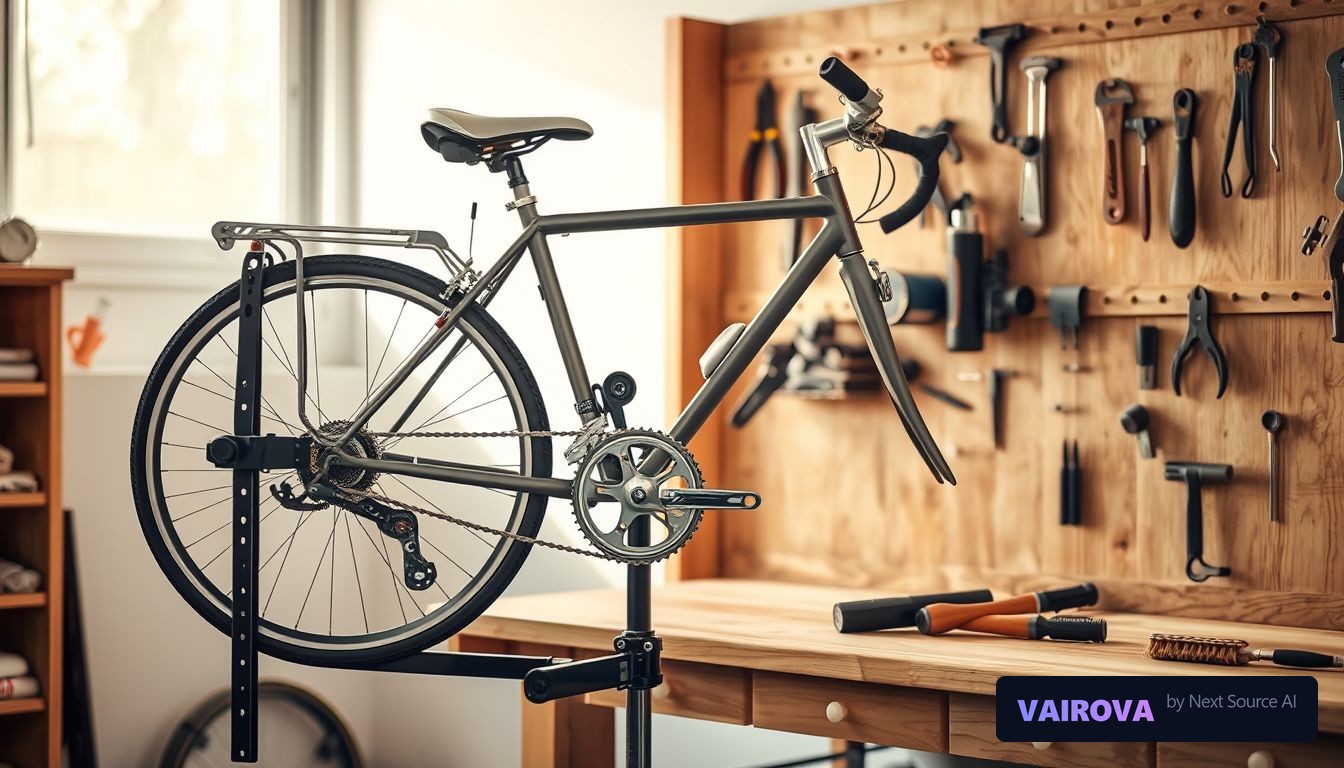
Social Media for Bike Shops Starts at the Repair Stand
The stand already holds the bike at a good height and in good light. Consequently, it is the natural stage for most clips.
Fix One Bench Camera Position
Mount a phone on a clamp arm aimed at the drivetrain side of the stand, and leave it there. As a result, every clip shares the same framing, and any mechanic can press record without thinking about angles.
Diagnose on Camera
Clips built around a symptom, such as what that creak is, answer questions riders search for. For example, trace a creak to the bottom bracket or a dry pedal thread. Moreover, end with the fix and a verdict on whether a rider should try it at home.
Shoot Before and After Service Clips
Film the grimy cassette, the worn chain on a checker and the frayed cable first. Then film the same parts after the service from the same position. Our guide to behind-the-scenes content explains why honest process footage holds attention.
Decide Which Repair Jobs Make Good Clips
Film Jobs With a Visible Problem and a Clear Payoff
The best candidates show a fault the viewer can see and then see resolved. Therefore, a wheel being trued, a brake rub vanishing or a squealing disc going quiet all work well.
Skip Jobs That Look Like Nothing
Torque checks matter, but on video they look like someone staring at a bolt. In contrast, they suit a still photo with a one-line caption. Similarly, a full rebuild works better as a time-lapse than as real-time footage.
Never Film Risky Modifications
Avoid anything a viewer could copy unsafely, such as opening battery packs or altering motor settings. However, you can still film the safe part of the visit, like a battery being booked in for inspection. Above all, show only work a trained mechanic does in a proper workshop.
Ask the Owner First
A customer's bike can carry a name, stickers or a frame number. Consequently, ask before filming and crop out anything identifying. In the UK the ICO oversees data protection, and the same courtesy applies in the US.
Handle E-Bike Battery Safety Responsibly
Signpost Instead of Diagnosing
Riders worry about battery fires and will ask about them in your comments. Therefore, your job online is to point people to official guidance and invite them in for a check. Never quote fire figures you cannot source or advise remotely on a battery you have not seen.
Point UK Riders to Official Pages
GOV.UK publishes advice on buying electrical products safely, which is useful for chargers and batteries. Additionally, the statutory guidelines on lithium-ion battery safety for e-bikes are written for businesses and apply in England, Scotland and Wales. Link both in a pinned post.
Point US Riders to the CPSC
In the United States, the Consumer Product Safety Commission (CPSC) regulates consumer products, including e-bikes. For example, a short clip can remind riders to check the CPSC website for recalls.
Refuse Derestriction Content
In Great Britain, an e-bike must meet the electric bike rules to count as an electrically assisted pedal cycle. Consequently, a derestricted e-bike no longer qualifies and cannot be ridden on the road as a bicycle. Never promote derestricting, and say plainly that your shop will not do it.
Explain Cycle to Work and Commuting
Explain the UK Scheme in Plain Terms
Many UK customers are unsure how Cycle to Work operates. The official Cycle to Work scheme guidance for employers covers eligibility, equipment, taxation and salary sacrifice. In short, the employer runs the scheme, and the employee pays through salary sacrifice.
Keep Savings Claims Honest
What a rider saves depends on their tax position and their employer's scheme. Therefore, avoid headline percentages and say savings vary. The ASA expects advertising claims to be accurate, so vague promises of free money will not stand up.
Give US Riders Commuter Content Instead
There is no single federal scheme to explain in the United States, so do not imply one. Instead, film practical commuter clips, such as fitting fenders, mounting lights and locking a bike outside an office.
Film Community Rides and Local Routes
Get Consent Before You Film Riders
Announce at the start of each group ride that you will be filming, and let anyone opt out. Moreover, ask parents before filming children, and never tag riders without permission.
Put Safety in the Frame
Show helmets, lights and good road positioning, and never film handheld while riding in traffic. Instead, film from the roadside at a safe stop or use a camera mounted beforehand. As a result, your footage models the behavior you want from new riders.
Work With Cycling Bodies
Cycling UK and PeopleForBikes both promote everyday cycling and local advocacy. Similarly, sharing their campaigns ties your shop to a cause bigger than sales.
Turn Riders Into Reviewers
After a ride, ask regulars to say on camera what they like about your workshop. Our guide to customer testimonial videos explains how to keep these natural. Furthermore, many people watch without sound, so learn how to add subtitles to videos.
A Practical Example
The Situation
Consider an illustrative independent bike shop with two mechanics in a mid-sized town. Social media brought in about four service bookings a month.
The Change
The shop clamped a phone above the stand and filmed two diagnose-on-camera clips and one before and after clip each week. Additionally, it pinned a battery safety post linking official guidance, plus a Cycle to Work explainer. Every clip carried a booking link, and the team edited in one weekly session using content batching.
The Result
After three months, social media brought in about fourteen service bookings a month. At an illustrative 90 dollars or 70 pounds per service, that added roughly 900 dollars or 700 pounds a month. Results like this are illustrative and depend on location, season and consistency. Nevertheless, a fixed bench camera and honest repair clips are a low-cost way to build trust.
How Vairova Can Help
Vairova turns raw workshop footage into short-form videos with hooks and captions, then auto-posts them to TikTok and Instagram on a schedule. Start your free Vairova trial, or compare plans on our pricing page.
Conclusion
Social media for bike shops works best when the workshop does the talking. Therefore, fix a bench camera, film jobs with a clear payoff, signpost official battery guidance and explain Cycle to Work honestly. Above all, film rides with consent and never promote derestriction. If you want those clips posted every week without the editing, start a free Vairova trial.
Frequently Asked Questions
Q: What should social media for bike shops focus on?
A: Social media for bike shops should focus on the workshop, because diagnosis and service clips show expertise. Additionally, rides add a local side.
Q: Which repairs make the best videos?
A: Jobs with a visible fault and a clear fix, such as wheel truing, work best. However, slow or invisible checks suit a photo and caption.
Q: Can a bike shop give e-bike battery advice online?
A: Keep online content to signposting official guidance and inviting riders in for inspection. Moreover, UK shops can link GOV.UK, and US shops can point to the CPSC.
Q: Should a UK bike shop post about derestricting e-bikes?
A: No, because a derestricted e-bike no longer counts as an electrically assisted pedal cycle. Therefore, state clearly that your shop will not do it.
Q: How should I explain the Cycle to Work scheme?
A: Explain that employers run it and employees pay through salary sacrifice, then link the official guidance. Additionally, say savings vary rather than quoting a figure.
Q: Do I need permission to film customers on group rides?
A: Yes, announce filming, offer an opt-out and ask parents before filming children. Similarly, never tag riders without agreement.
Disclaimer
This article offers general marketing guidance current as of November 2026 and is not legal, safety or financial advice. The bike shop example is illustrative. Product safety, e-bike, tax and advertising rules change, so confirm current requirements with GOV.UK, the CPSC, the ASA and the ICO. No approach guarantees bookings or sales.