Best AI Video Generators for Social Media (2026 Comparison)
Introduction: Choosing the Best AI Video Generator for Social Media
The best AI video generator for social media is not the one with the prettiest renders — it is the one that ships a scroll-stopping vertical video every single day without you touching a timeline. That is a different product category from cinematic text-to-video, and confusing the two is the most common buying mistake in 2026. Cinematic models win awards. Social engines win reach.
This comparison explains the four categories of AI video tool, the criteria that actually predict social performance, how each platform treats synthetic media, and which type of generator suits creators, agencies, and small brands. Furthermore, we cover the disclosure rules in both the US and the UK, because publishing AI video without labels is now a policy problem rather than a style choice.
The Four Categories of AI Video Generator
Every tool marketed as an AI video generator belongs to one of four categories, and each solves a different job. Therefore, matching the category to your output goal matters far more than benchmarking render quality.
Text-to-Video Models
Text-to-video models generate footage from a written prompt. They excel at surreal, cinematic, or product-hero shots and struggle with consistent characters across a series. Consequently, they are outstanding for a hero clip and poor for a daily posting cadence, because every render needs prompt engineering and manual assembly.
Avatar and AI Influencer Generators
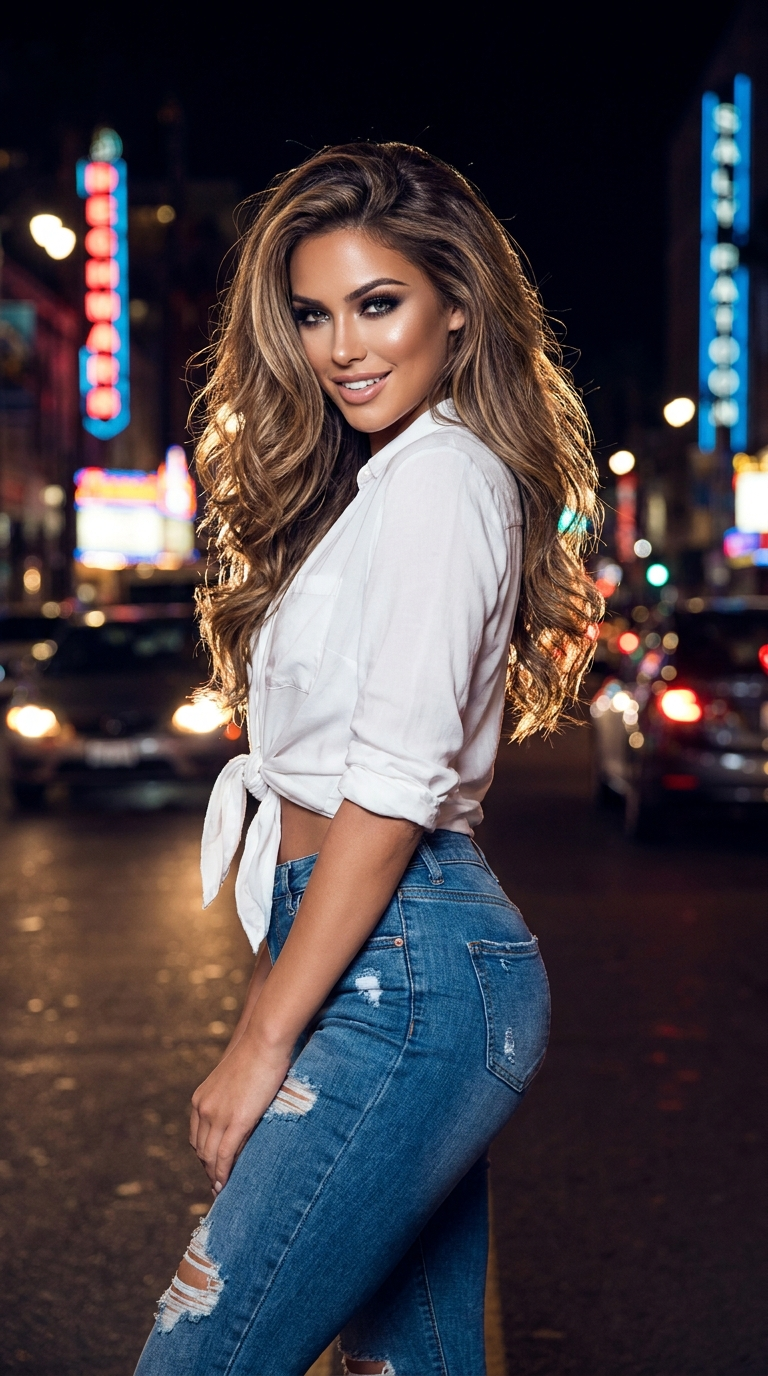
Avatar tools produce a consistent presenter who speaks your script, with lip-sync and a fixed appearance. Additionally, the newer AI influencer systems maintain that persona across dozens of videos, which is what makes a channel feel like a channel rather than a stock library. For faceless creators, this category replaces the on-camera bottleneck entirely.
Clip and Repurposing Engines
Repurposing tools slice long-form podcasts or webinars into vertical clips with auto-captions. Notably, they only work if you already produce long-form content. For a brand starting from zero, a clipper has nothing to clip.
End-to-End Social Content Engines
End-to-end engines research the trend, write the hook and script, render the video, generate captions and hashtags, and publish through official platform APIs. Vairova sits here. Ultimately, this is the only category that turns post daily from an intention into a system.
The Criteria That Predict Social Performance
Render fidelity is a weak predictor of views. Instead, judge any generator against the criteria that map to how recommendation systems actually rank short-form video.
Hook Quality and First-Two-Second Retention
Short-form ranking is dominated by watch time, and watch time is decided in the opening two seconds. Therefore, a generator that writes and tests hooks is worth more than one that renders at higher resolution. Ask whether the tool produces multiple hook variants per topic, because variant testing is how you find the outlier.
Vertical-Native Framing and Captions
The best AI video generator for social media outputs 9:16 natively with burned-in, correctly timed captions — not a letterboxed landscape render with subtitles bolted on. Furthermore, most short-form viewing happens with sound off at least part of the time, which makes on-screen text a distribution feature rather than an accessibility afterthought.
Persona Consistency and Publishing
If your account depends on a recurring presenter, test whether the same face, voice, and wardrobe survive twenty videos. Similarly, check voice consistency, since audiences notice a drifting voice faster than a drifting background. Meanwhile, a tool that publishes through TikTok's sanctioned Content Posting API removes the final manual step.
Platform Policy: How TikTok, Meta, and YouTube Treat AI Video
AI-generated video is fully permitted on all three major platforms, provided it is labeled where required. However, unlabeled realistic synthetic media is a genuine enforcement risk.
Disclosure Requirements in 2026
YouTube requires creators to disclose realistic altered or synthetic content at upload, and sets out exactly which cases require a label. TikTok requires labeling of realistic AI-generated content under its integrity and authenticity policy. Meta applies AI-info labels across Facebook and Instagram. Consequently, the disclosure question is settled — your tool should set the flag automatically.
Advertising Rules in the US and UK
If your AI video promotes a product in exchange for anything of value, disclosure of that relationship is separate from AI labeling. US advertisers follow the FTC endorsement guides, while UK creators follow ASA and CAP rules on clearly identifying ads. In practice, that means an #ad label plus the platform's paid-partnership toggle, regardless of whether a human or an avatar delivered the message.
Does AI Video Get Suppressed?
Platforms do not suppress content for being AI-generated. Rather, they suppress content that is repetitive, low-effort, watermarked from another platform, or misleading. Statista's platform data shows short-form video consumption still expanding across both markets, so the distribution is available to anyone producing original, well-hooked clips.
Which Generator Suits Which Creator
Choose by output requirement, not by feature count. A single hero ad and a daily channel are opposite problems.
Solo Creators and Faceless Channels
Solo creators need volume with a consistent presenter and zero editing time. Therefore, an avatar-driven end-to-end engine wins, because the alternative is prompting a cinematic model twenty times a week and assembling the results by hand.
Agencies and Small Brands
Agencies need multi-account management, brand voice control, approval steps, and reliable publishing. Additionally, they need audit trails for disclosure. An end-to-end engine with per-client workspaces beats a stack of four disconnected tools that a junior has to babysit.
A Realistic Workflow Example
Consider an illustrative UK skincare brand posting daily to TikTok and Reels. Trend research surfaces a rising question about ingredient layering. The engine writes three hooks, renders a 22-second AI presenter clip for each, adds captions, and schedules the best performer for 7:30 pm UK time while the other two go out midweek. The founder reviews the queue over coffee. Subsequently, the brand ships thirty original videos a month with no editor on payroll.
How Vairova Can Help
Vairova combines every category above into one system: daily trend research, script and hook generation, AI video and AI influencer rendering, captions and hashtags, and automatic posting to TikTok and Instagram with the right disclosure flags set. Consequently, you get the output of a small content team from a ten-minute daily review. Start free, or compare plans on the pricing page.
Conclusion
The best AI video generator for social media in 2026 is the one that produces vertical-native, well-hooked, correctly captioned clips every day and publishes them through official APIs with proper AI disclosure. Cinematic text-to-video models are remarkable but ill-suited to daily cadence. Avatar systems solve the faceless presenter problem. End-to-end engines solve the whole workflow. Above all, judge tools by videos actually published per week, because that number — not render resolution — is what compounds into reach. Start your free Vairova trial and measure the difference over one posting month.
Frequently Asked Questions
Q: What is the best AI video generator for social media in 2026?
A: The best AI video generator for social media is the one matching your output goal: end-to-end engines like Vairova for daily posting, avatar tools for consistent faceless presenters, and cinematic text-to-video models for one-off hero clips. Furthermore, vertical-native output, hook generation, and automatic captions predict social performance far better than render resolution.
Q: Can AI-generated videos go viral on TikTok?
A: Yes, AI-generated videos regularly reach millions of views, because TikTok ranks clips on watch time, shares, and rewatches rather than production method. However, realistic AI content must be labeled under TikTok's integrity and authenticity policy.
Q: Do I have to disclose AI-generated video in the UK?
A: You must label realistic synthetic content on YouTube, TikTok, and Meta platforms, and separately disclose any paid promotion under ASA and CAP advertising rules. Additionally, the platform's own paid-partnership toggle should be used alongside a visible #ad label.
Q: Are AI video generators worth it for small businesses in the US?
A: For most small businesses, yes, because daily short-form output is otherwise an editor's salary or an agency retainer. Moreover, an AI engine keeps posting through the weeks when the team is busy, which is exactly when manual content calendars collapse.
Q: Can AI create a consistent virtual presenter across many videos?
A: Yes — AI influencer systems maintain a fixed appearance and voice across an entire content series, which is what makes a faceless channel feel cohesive. Consequently, persona consistency is one of the most important things to test before committing to a tool.
Q: Is free AI video software good enough for social media?
A: Free tiers are useful for testing hooks and formats, but they usually cap resolution, add watermarks, and lack direct publishing. Notably, watermarked or clearly recycled content is one of the few things platforms genuinely do suppress.
Disclaimer
This article provides general marketing guidance current as of August 2026. AI video capabilities, platform disclosure requirements, and advertising rules change frequently, and workflow examples described here are illustrative. No tool can guarantee views, followers, or revenue. Review current TikTok, Meta, YouTube, FTC, and ASA guidance before publishing commercial AI-generated content.