AI Influencer Generator: Create a Virtual Creator in Minutes
Introduction: What an AI Influencer Generator Does
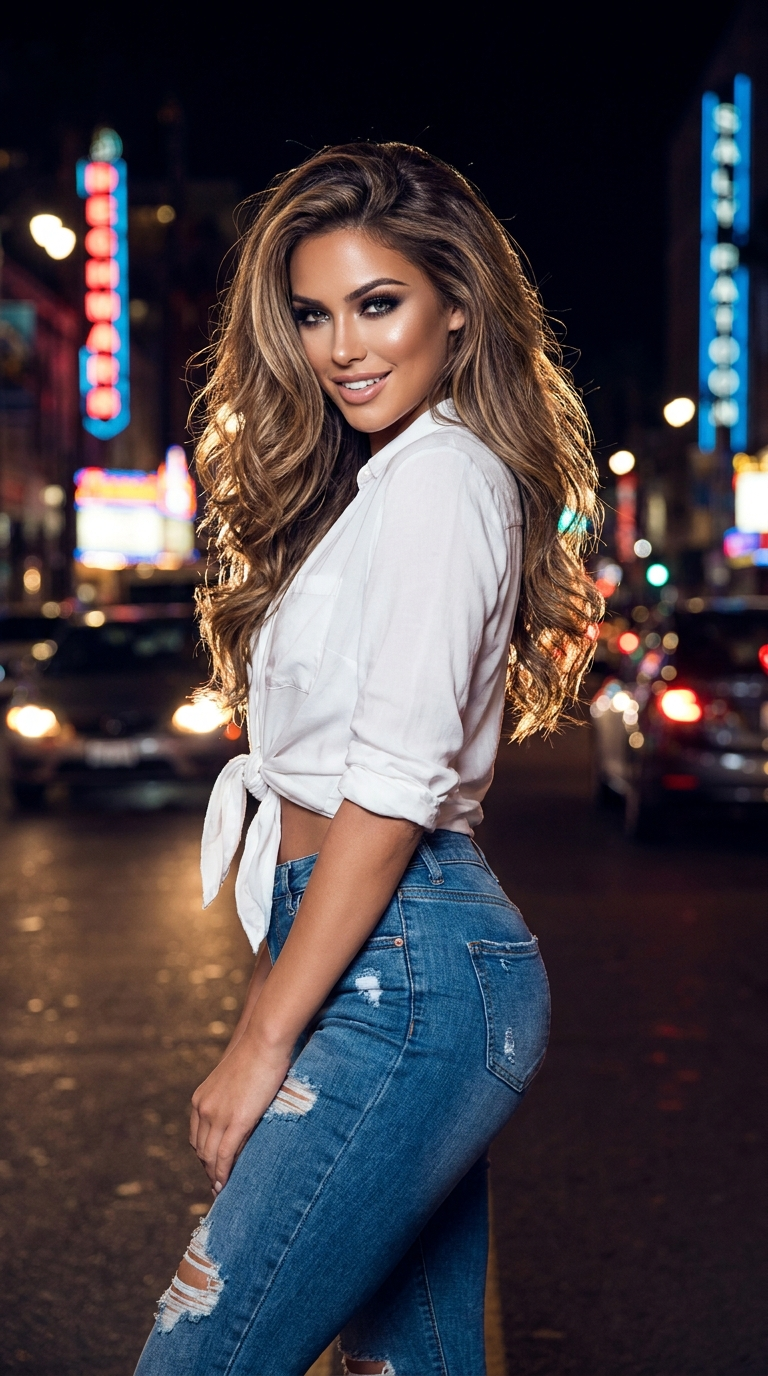
An AI influencer generator creates a photorealistic virtual persona — a face, a voice, a personality — that can appear in unlimited videos without a camera, a studio, or a human on screen. In 2026, brands and solo creators use these virtual creators to post daily short-form content, front product campaigns, and build audiences in niches where showing your own face is impractical or simply unwanted.
This guide explains how the technology works, what separates a convincing virtual creator from an obvious fake, the legal disclosure rules in the US and UK, and how to launch your first AI influencer this week. Additionally, we look at the economics: what an AI influencer costs to run compared with hiring human creators, and where the real monetisation opportunities sit.
How an AI Influencer Generator Works
An AI influencer generator combines three models into one pipeline: an image model that designs a consistent character, a video model that animates that character with natural motion and lip-sync, and a voice model that gives it a stable, recognisable voice. The output is a virtual creator who looks identical across hundreds of videos — which is the entire game, because audience trust builds on facial consistency.
Character Consistency Is the Hard Part
Anyone can generate one pretty AI face. The difficult engineering problem is generating the same face in video after video, across angles, outfits, and lighting. Consequently, serious tools maintain a character identity model — a locked visual reference the video generator must respect. When evaluating any ai influencer generator, test this first: generate five videos and check whether the face drifts.
From Prompt to Posted Video
The modern workflow compresses to four steps. First, describe your creator: age range, style, vibe, niche. Second, the generator produces the character sheet and you approve it. Third, you feed it scripts — or let trend research write them — and it renders talking-head or b-roll videos. Finally, automation posts the finished clips to TikTok and Instagram on schedule. Notably, Vairova runs this entire loop daily without manual editing.
Why Brands and Creators Use Virtual Influencers
The business case is blunt: an AI influencer works every day, never misses a shoot, never renegotiates rates, and scales to any posting volume. Furthermore, virtual creators let one person run multiple niche accounts simultaneously — a fitness persona, a finance persona, a beauty persona — each with its own consistent face and voice.
The Cost Comparison
A mid-tier human influencer campaign in the US typically costs $1,000–$10,000 per sponsored post, and UK rates track similarly. In contrast, an AI influencer produces unlimited branded content for a flat software subscription. Statista's influencer marketing research shows global influencer ad spend passing $40 billion, which explains why brands are aggressively testing cheaper synthetic alternatives: Statista's influencer marketing data
Where Virtual Creators Perform Best
Virtual influencers perform strongest in information and entertainment niches: product explainers, finance tips, tech reviews, storytelling, and UGC-style ads. However, they underperform in niches built on lived authenticity, such as personal fitness journeys. Therefore, match the persona to a niche where value comes from the content, not the biography.
The Rules: Disclosure in the US and UK
Both markets allow AI influencers, but both expect transparency. In the US, the FTC's endorsement guides require that material connections and deceptive practices be avoided regardless of whether the endorser is human or synthetic: the FTC's endorsement guidance
Platform Labels Are Mandatory for Realistic AI
TikTok requires creators to label realistic AI-generated content, and Instagram applies AI labels across Meta platforms. Compliance is straightforward: toggle the AI-generated label when posting realistic synthetic media. Importantly, labelled AI content remains fully eligible for recommendation feeds, so disclosure costs you nothing algorithmically. TikTok's policy is documented here: TikTok's AI-generated content guidance
UK Advertising Standards
In the UK, the ASA applies the same core rule to virtual influencers as to human ones: ads must be obviously identifiable as ads, and misleading presentation is prohibited. Accordingly, if your AI persona promotes a product commercially, mark the post as an ad exactly as a human creator would.
Building Your First AI Influencer: A Practical Scenario
Consider a realistic example we see often at Vairova. A UK-based marketer wants a personal-finance account but refuses to appear on camera. She uses Vairova to generate "Maya" — a consistent late-20s persona with a warm, direct voice. Trend research surfaces what UK money topics are spiking; the system writes 30-second scripts, renders Maya delivering them, and auto-posts daily at UK peak hours. Within weeks she has a growing faceless account and a persona she can eventually attach brand deals to. The production cost per video: effectively minutes of review time. This scenario is illustrative, but it mirrors the standard playbook virtual-creator operators run in 2026.
How Vairova Can Help
Vairova is an AI influencer generator plus a full content engine in one product. It designs your consistent virtual creator, researches daily trends in your niche, generates the videos and captions, and auto-posts them to TikTok and Instagram — every day, on autopilot. Consequently, you skip the five-tool stack most creators duct-tape together and run everything from one dashboard. Start with the free trial at Vairova approve your character, and have your virtual creator posting this week.
Conclusion
An AI influencer generator turns the most expensive part of content marketing — a consistent on-screen human — into software. The winners in 2026 pick a clear niche, lock a consistent persona, disclose AI use properly in the US and UK, and post daily so the algorithms have volume to work with. Ultimately, the technology is no longer the barrier; consistency is. If you want a virtual creator researching, producing, and posting for you every day, get started free with Vairova.
Frequently Asked Questions
Q: What is an AI influencer generator?
A: An AI influencer generator is software that creates a photorealistic virtual persona and renders it in videos with consistent appearance and voice. Furthermore, modern tools pair the persona with trend research and auto-posting so the virtual creator publishes content daily.
Q: Are AI influencers legal in the US and UK?
A: Yes, AI influencers are legal in both countries. However, US FTC rules and UK ASA rules require ads to be clearly disclosed, and platforms like TikTok and Instagram require realistic AI content to carry an AI-generated label.
Q: Can AI influencers make money?
A: Yes — AI influencers monetise through brand deals, affiliate marketing, UGC-style ads for companies, and driving traffic to products the operator owns. Additionally, agencies increasingly rent out virtual creators for campaign content at rates far below human influencer fees.
Q: How much does it cost to create an AI influencer?
A: Creating an AI influencer costs a monthly software subscription — typically a fraction of one sponsored post from a human influencer. In contrast, hiring mid-tier human creators costs $1,000–$10,000 per post in the US, with UK rates comparable.
Q: Do audiences trust AI influencers?
A: Audiences engage with virtual creators when the content is genuinely useful or entertaining, and consistency of face and voice builds familiarity over time. Nevertheless, trust depends on honest disclosure — hiding the AI nature of a realistic persona damages credibility and breaches platform rules.
Q: What is the best AI influencer generator for TikTok and Instagram?
A: The best ai influencer generator for TikTok and Instagram is one that keeps the character visually consistent across videos and automates daily posting. Vairova combines both, adding trend research and caption writing, which is why creators use it to run virtual accounts end to end.
Disclaimer
This article provides general marketing information current as of August 2026 and does not constitute legal advice. Advertising disclosure rules, platform AI-labelling policies, and influencer pricing change frequently and vary by jurisdiction. The scenario described is illustrative. Consult the FTC, ASA, and platform policy pages directly, and seek professional advice for compliance decisions.